
Is Olive Oil a Seed Oil? Understanding the Difference Between Seed and Fruit Oils
In today’s health-conscious world, the debate around cooking oils has intensified. With social media buzzing about the potential dangers of certain fats, many people are asking: is olive oil a seed oil? This question arises amid growing concerns over processed foods and inflammation-linked diets. Understanding the distinction between seed oils and fruit oils like olive oil is crucial because it impacts not just your cooking choices but also your overall wellness. Seed oils, often vilified for their high omega-6 content and industrial processing, differ significantly from olive oil, which comes from a natural fruit source and boasts a long history in Mediterranean diets known for promoting heart health and longevity.
This article dives deep into the science and practicalities behind these oils. We’ll explore their origins, extraction processes, nutritional profiles, and health implications to help you make informed decisions. Whether you’re a home cook, a nutrition enthusiast, or simply curious about what goes into your meals, clarifying if olive oil is a seed oil can guide you toward healthier habits. Let’s break it down step by step.
What Are Seed Oils?
Seed oils are a category of vegetable oils extracted from the seeds of various plants. They form the backbone of many modern kitchens due to their affordability, neutral flavors, and high smoke points, making them ideal for frying and baking. Common examples include canola oil (from rapeseed), soybean oil, sunflower oil, corn oil, safflower oil, grapeseed oil, cottonseed oil, and rice bran oil. These oils dominate processed foods, from salad dressings to snack chips, because they’re inexpensive to produce on a large scale.
The term “seed oil” specifically refers to oils derived from seeds rather than other plant parts like fruits or nuts. For instance, while peanut oil comes from peanuts (which are legumes), it’s often grouped with seed oils due to similar processing. Seed oils gained popularity in the 20th century with the rise of industrial agriculture, replacing traditional fats like butter and lard in many households.
One key aspect of seed oils is their fatty acid composition. They are typically high in polyunsaturated fats, particularly omega-6 fatty acids, which are essential but can contribute to inflammation if consumed in excess without balancing omega-3s. This has sparked controversy, with some health experts warning against over-reliance on them, while organizations like the American Heart Association endorse them for reducing bad cholesterol when used in moderation.
What Is Olive Oil?
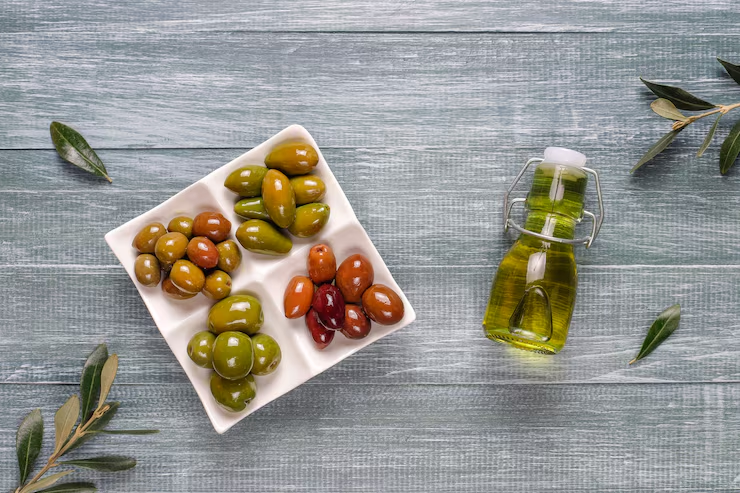
Olive oil, on the other hand, is not extracted from seeds but from the fleshy fruit of the olive tree (Olea europaea). Specifically, it comes from the mesocarp, the pulpy part surrounding the pit or seed. This fundamental difference answers the core question: no, olive oil is not a seed oil; it’s a fruit oil. Olives are drupes, similar to cherries or peaches, and the oil is pressed directly from this fruit, often with minimal processing.
Originating from the Mediterranean region, olive oil has been a dietary staple for thousands of years. Extra virgin olive oil (EVOO), the highest quality grade, is produced through cold-pressing without chemicals or excessive heat, preserving its natural flavors and nutrients. Lower grades, like refined olive oil, may involve more processing but still retain some benefits.
Nutritionally, olive oil stands out for its high monounsaturated fat content, primarily oleic acid, which makes up about 70-80% of its composition. It also contains powerful antioxidants like polyphenols and vitamin E, contributing to its anti-inflammatory properties. Unlike many seed oils, olive oil’s robust flavor—ranging from grassy to peppery enhances dishes like salads, dips, and light sautéing.
Key Differences Between Seed Oils and Fruit Oils
The distinction between seed oils and fruit oils goes beyond their sources; it encompasses extraction methods, nutritional value, and potential health effects. Let’s examine these differences in detail.
Extraction Methods
Extraction processes highlight a major divide. Fruit oils like olive oil are typically obtained through mechanical pressing. For olive oil, the process begins with cleaning the olives, grinding them into a paste, malaxing (slowly mixing) to separate the oil, and then centrifuging or pressing to extract the liquid. This cold-pressing method avoids chemicals, preserving the oil’s integrity and allowing for “extra virgin” classification if done under 27°C (80.6°F).
In contrast, seed oils often require more intensive methods because seeds contain less oil by volume. Common techniques include solvent extraction using hexane or other chemicals, followed by refining, bleaching, and deodorizing (RBD process) to remove impurities and extend shelf life. While some seed oils can be expeller-pressed (a mechanical method), the majority are chemically processed, which can introduce trace solvents or alter the oil’s natural structure. This high-heat and chemical involvement is why critics argue seed oils are more “processed” than fruit oils.
Nutritional Profiles
Nutritionally, fruit oils like olive and avocado oil tend to be richer in monounsaturated fats, which are stable and heart-friendly. Olive oil, for example, has about 14% saturated fat, 73% monounsaturated, and 10% polyunsaturated. Seed oils, however, are dominated by polyunsaturated fats sunflower oil can be up to 65% linoleic acid (an omega-6) making them less stable when heated and potentially pro-inflammatory in high amounts.
Fruit oils also retain more natural compounds. Olive oil’s polyphenols act as antioxidants, fighting oxidative stress, while seed oils lose many of these during refining.
Health Impacts
Health-wise, olive oil is linked to reduced risks of heart disease, certain cancers, and inflammation, thanks to its role in the Mediterranean diet. Studies show it can lower LDL cholesterol and improve endothelial function.
Seed oils have mixed reviews. While they provide essential fatty acids and can lower cholesterol when replacing saturated fats, excessive omega-6 intake may disrupt the omega-3/6 balance, potentially leading to chronic inflammation. However, evidence from bodies like the AHA suggests they’re not inherently harmful and can be part of a balanced diet.
Comparison Table: Olive Oil vs. Common Seed Oils
To visualize these differences, here’s a table comparing olive oil with popular seed oils based on key attributes:
| Oil Type | Source | Primary Fat Type | Extraction Method | Smoke Point (°F) | Common Uses | Health Notes |
|---|---|---|---|---|---|---|
| Olive Oil | Olive fruit | Monounsaturated (73%) | Cold-pressing | 375-410 | Salads, drizzling, low-heat cooking | High in antioxidants; heart-healthy |
| Canola Oil | Rapeseed seeds | Monounsaturated (63%) | Solvent extraction | 400-450 | Frying, baking | Low in saturated fat; neutral flavor |
| Sunflower Oil | Sunflower seeds | Polyunsaturated (65%) | Expeller or solvent | 440 | High-heat cooking | High omega-6; may cause inflammation if overused |
| Soybean Oil | Soybean seeds | Polyunsaturated (58%) | Solvent extraction | 450 | Processed foods | Versatile but highly processed |
| Corn Oil | Corn kernels | Polyunsaturated (59%) | Expeller or solvent | 450 | Frying | Affordable; potential GMO concerns |
| Grapeseed Oil | Grape seeds | Polyunsaturated (70%) | Solvent extraction | 420 | Sauteing, dressings | Neutral; high in vitamin E |
This table illustrates why olive oil often edges out seed oils for everyday use—its balance of stability, flavor, and nutrients makes it a superior choice for many.
Health Benefits of Olive Oil
Delving deeper, olive oil’s benefits are well-documented. Its monounsaturated fats help maintain healthy cholesterol levels, reducing the risk of cardiovascular diseases. The antioxidants, particularly oleocanthal, mimic ibuprofen’s anti-inflammatory effects, potentially alleviating conditions like arthritis.
Beyond heart health, olive oil supports brain function, with studies linking it to lower dementia risk due to its protective effects on blood vessels. It’s also beneficial for skin, acting as a natural moisturizer, and may aid weight management by promoting satiety.
Compared to seed oils, olive oil’s minimal processing means fewer trans fats or oxidation products, which can form in heated polyunsaturated oils. For optimal benefits, opt for EVOO from reputable sources—look for dark bottles and harvest dates to ensure freshness.
Concerns About Seed Oils
While not all seed oils are villains, concerns stem from their ubiquity in ultra-processed foods and potential for oxidation. High-heat processing can create harmful compounds, and the omega-6 overload in Western diets may fuel issues like obesity and autoimmune diseases.
That said, not all experts agree on avoiding them entirely. Moderation is key, and choosing expeller-pressed versions can mitigate some risks. If you’re concerned, swap seed oils for fruit-based alternatives in your diet.
How to Choose the Right Oil for Your Needs
When deciding between olive oil and seed oils, consider your cooking method. Use olive oil for low-to-medium heat to preserve its nutrients; reserve high-smoke-point seed oils like canola for frying. Always store oils in cool, dark places to prevent rancidity.
For authenticity, check labels—true EVOO should list the origin and pressing method. Resources like the North American Olive Oil Association offer certification guides. Internally, if you’re exploring more on healthy fats, check our guide on avocado oil benefits.
FAQ
1. Is olive oil a seed oil?
No, olive oil is not a seed oil. It is extracted from the fruit of the olive tree, not the seed, making it a fruit oil with distinct nutritional advantages.
2. What makes seed oils potentially unhealthy?
Seed oils are high in omega-6 fats and often heavily processed, which can lead to oxidation and inflammation if consumed excessively. However, they’re not inherently bad in balanced amounts.
3. Can I use olive oil for high-heat cooking?
Olive oil has a moderate smoke point (375-410°F), so it’s best for low-to-medium heat. For frying, consider refined olive oil or seed oils like sunflower.
4. Are there any fruit oils besides olive oil?
Yes, avocado oil and coconut oil are popular fruit oils. They share similar benefits, like high monounsaturated fats and minimal processing.
5. How does olive oil compare to canola oil nutritionally?
Olive oil is richer in antioxidants and monounsaturated fats, while canola is more neutral and higher in omega-3s but often chemically extracted.
6. Should I avoid all seed oils?
Not necessarily. Focus on variety and whole foods. Replace some with olive or avocado oil for better balance.
7. How can I tell if my olive oil is real?
Look for “extra virgin” labels, dark packaging, and third-party certifications. Taste it genuine EVOO has a fresh, fruity flavor.
Conclusion
In summary, the answer to “is olive oil a seed oil” is a resounding no it’s a fruit oil with superior extraction methods, nutritional depth, and health benefits compared to most seed oils. By understanding these differences, you can optimize your diet for better heart health, reduced inflammation, and overall vitality. Start incorporating more olive oil today, perhaps by drizzling it over your next salad or using it in homemade dressings. For more insights on healthy eating, explore related articles on our site or consult a nutritionist. Your kitchen choices mattermake them count.

Related Posts

What is the Difference Between a Tux and a Suit

What Is Gel-X Nails? A Complete Guide for Beginners
