
What is a Pedicure?
In a world where we’re constantly on our feet What is a Pedicurewhether rushing to meetings, hitting the gym, or simply navigating daily life taking time for foot care often falls to the wayside. Yet, healthy feet are foundational to overall well-being, supporting mobility, balance, and even posture. This is where a pedicure comes in. But what is a pedicure exactly? At its core, a pedicure is a cosmetic and therapeutic treatment focused on the feet and toenails, designed to cleanse, exfoliate, and beautify while promoting relaxation and health. Far from being just a luxury, regular pedicures can prevent common foot issues like calluses, ingrown nails, and dryness, making them an essential part of self-care routines. With origins tracing back thousands of years, pedicures have evolved into a blend of ancient traditions and modern techniques, offering benefits that extend beyond aesthetics to improve circulation, reduce stress, and enhance foot hygiene. In this article, we’ll dive deep into the pedicure meaning, its history, types, processes, and more, equipping you with the knowledge to make informed choices for your foot health.
The History of Pedicures
The practice of foot care dates back to ancient civilizations, where it was not merely about beauty but also status and health. Archaeological evidence suggests that pedicures originated in ancient Egypt around 2400 BCE, where pharaohs and nobles used henna to dye their toenails and employed pumice stones to smooth rough skin. Similarly, in ancient Babylon, men and women alike adorned their nails with solid gold tools, symbolizing wealth and power. By the time of the Roman Empire, foot treatments involved soaking in herbal baths and massaging with oils, a precursor to today’s spa experiences.
Fast-forward to the 19th century, when pedicures began to modernize in Europe and America. The term “pedicure” itself derives from the Latin words “pes” (foot) and “cura” (care), reflecting its focus on maintenance. In the early 20th century, as women’s fashion emphasized open-toed shoes, pedicures gained popularity in salons. The 1990s marked a turning point with the introduction of spa pedicure chairs and specialized products, driven by increased demand after Medicare ceased covering routine nail trimming for the elderly. Today, pedicures are a global industry, blending cultural traditions like Ayurvedic foot massages in India with innovative technologies such as LED nail dryers. This evolution underscores how pedicures have shifted from elite indulgences to accessible health practices, adapting to societal needs for relaxation amid stressful lifestyles.
Benefits of Pedicures
Beyond the polished look, pedicures offer profound health advantages that make them worthwhile investments. One key benefit is improved circulation: the massaging techniques stimulate blood flow, which can alleviate swelling and fatigue, especially for those who stand or walk extensively. This is particularly valuable for individuals with conditions like diabetes, where poor circulation poses risks.
Pedicures also promote skin health by removing dead cells through exfoliation, preventing cracks and infections. Regular treatments can reduce the buildup of calluses and corns, which, if left unchecked, can lead to pain or mobility issues. On the mental health front, the relaxing environment of a pedicure session releases endorphins, combating stress and boosting mood much like a mini spa retreat. Additionally, professional pedicures allow for early detection of foot problems, such as fungal infections or ingrown toenails, enabling timely intervention.
From a preventive standpoint, incorporating pedicures into your routine enhances overall hygiene. Feet endure daily wear, accumulating bacteria in shoes; a thorough cleanse and moisturize keeps them fresh and healthy. For athletes or active individuals, pedicures aid in muscle recovery by easing tension in the calves and arches. In essence, what is a pedicure if not a holistic approach to foot wellness that supports both physical vitality and emotional balance?
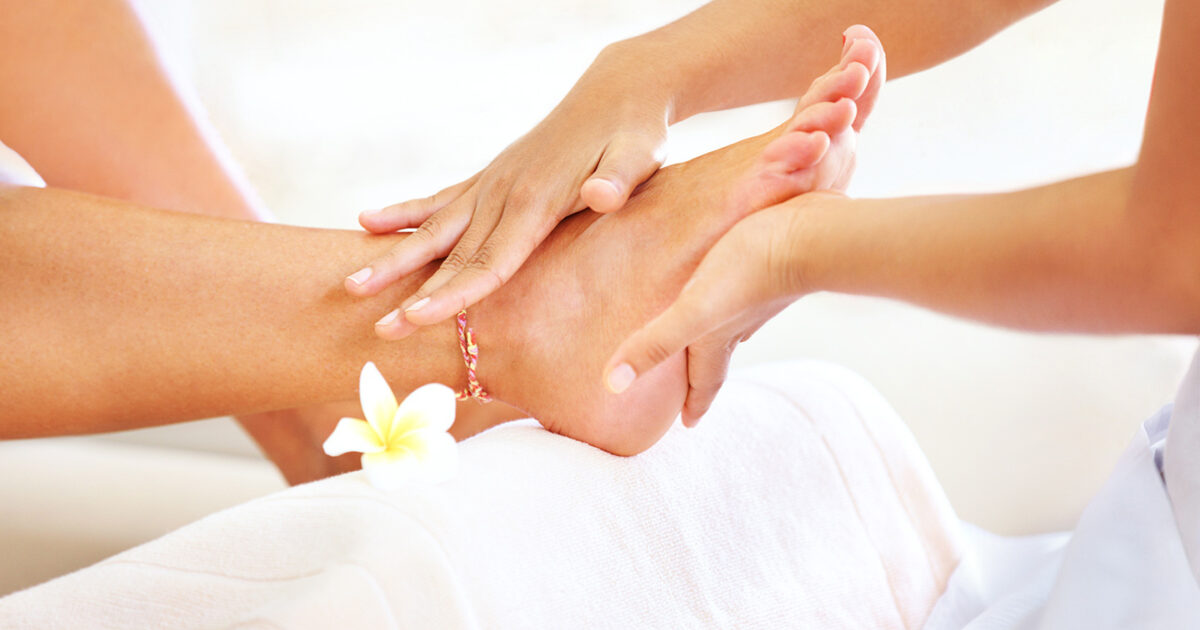
Different Types of Pedicures
Pedicures aren’t one-size-fits-all; they vary based on needs, preferences, and budgets. Understanding these types helps you choose the right one for optimal results. A classic pedicure, for instance, focuses on basic nail care and polishing, ideal for quick maintenance. Spa pedicures elevate this with aromatherapy, masks, and extended massages for deeper relaxation.
Gel pedicures use UV-cured polish for longevity, lasting up to three weeks without chipping perfect for busy lifestyles. Medical or “medi-pedis” are performed by podiatrists, emphasizing therapeutic aspects like treating fungal issues or diabetic foot care. Other variants include French pedicures for a natural look, stone pedicures using hot stones for muscle relief, and fish pedicures (though controversial due to hygiene concerns, involving garra rufa fish nibbling dead skin).
To compare, here’s a table outlining key types:
| Type of Pedicure | Description | Key Benefits | Average Duration | Ideal For |
|---|---|---|---|---|
| Classic | Basic soak, exfoliation, nail trim, and polish. | Affordable, quick foot refresh. | 30-45 minutes | Beginners or routine maintenance. |
| Spa | Includes masks, oils, and massage; often with paraffin wax. | Deep hydration and stress relief. | 45-60 minutes | Relaxation seekers. |
| Gel | Uses gel polish cured under UV/LED light. | Long-lasting, chip-resistant finish. | 45-60 minutes | Those wanting durable results. |
| Medical | Therapeutic focus with sterile tools; addresses health issues. | Prevents infections, aids medical conditions. | 45-75 minutes | Diabetics or those with foot ailments. |
| Stone | Incorporates heated stones for massage. | Improves circulation, eases joint pain. | 50-70 minutes | Muscle recovery post-exercise. |
| French | Natural base with white tips. | Elegant, subtle appearance. | 40-50 minutes | Professional or minimalist styles. |
Step-by-Step Guide to a Pedicure
Knowing the pedicure process demystifies the experience and empowers you to replicate it at home or appreciate salon expertise. A standard session begins with preparation: removing old polish using a gentle remover to avoid nail dehydration. Next, soak feet in warm, soapy water for 10-15 minutes to soften skin and nails add Epsom salts for added relaxation.
Exfoliation follows, using a scrub or pumice stone to slough off dead skin, focusing on heels and balls of the feet. Trim toenails straight across to prevent ingrowns, then file edges smooth. Gently push back cuticles without cutting to avoid infections. A massage with lotion or oil comes next, targeting pressure points to boost circulation.
Finally, apply base coat, color (in thin layers), and top coat, drying between applications. For gel variants, use a UV lamp. Post-care involves avoiding tight shoes for a few hours. This structured approach ensures safety and efficacy, turning a simple treatment into a rejuvenating ritual.
At-Home Pedicures vs. Professional Services
Deciding between DIY and salon pedicures boils down to convenience, cost, and quality. At-home pedicures offer flexibility you can do them anytime without appointments and save money, with basic kits costing under $50. They allow personalization, like using natural ingredients such as olive oil for massages. However, they lack professional tools and expertise, potentially leading to uneven results or overlooked issues.
Professional pedicures, conversely, provide superior hygiene with sterilized equipment and trained technicians who spot problems early. The ambiance enhances relaxation, and results last longer due to high-quality products. Drawbacks include higher costs ($30-80 per session) and scheduling hassles. For those with medical concerns, pros outweigh cons; otherwise, a hybrid approach monthly salon visits supplemented by weekly home maintenance strikes a balance.
Safety and Hygiene in Pedicures
Prioritizing safety transforms a pedicure from risky to rewarding. Start by selecting a reputable salon: check for cleanliness, like disposable liners in footbaths and autoclaved tools. Avoid salons using razors or credo blades, as they can cause cuts leading to infections.
Don’t shave legs 24 hours before to prevent nicks allowing bacteria entry. During the session, ensure cuticles are pushed, not clipped, and opt for LED dryers to minimize UV exposure. If diabetic or immunocompromised, consult a doctor first. At home, sterilize tools with alcohol and use fresh water. Post-pedicure, monitor for redness or swelling signs of infection and seek medical help if needed. These precautions ensure pedicures enhance, rather than endanger, foot health.
Debunking Common Myths About Pedicures
Misconceptions can deter people from enjoying pedicures’ benefits. One myth: pedicures are only for women. Reality: They’re unisex, with men benefiting from foot health maintenance. Another: nails “need to breathe” between polishes. Truth: Nails are made of keratin and don’t respire; breaks prevent weakening from repeated removal.
Myth: All pedicures cause infections. Fact: Proper hygiene makes them safe; issues arise from unsanitary practices. Also, soaking feet daily is ideal wrong; over-soaking dries skin. Finally, expensive products guarantee better results no, technique matters more. Dispelling these fosters informed decisions.
Frequently Asked Questions (FAQ)
What is a pedicure and what does it include?
A pedicure is a foot and toenail treatment involving soaking, exfoliation, trimming, massage, and polishing for health and aesthetics.
How often should I get a pedicure?
Every 4-6 weeks maintains foot health, but adjust based on activity level and skin type.
Are pedicures safe during pregnancy?
Yes, if hygienic; they can relieve swelling, but avoid hot soaks and inform the technician.
What’s the difference between a manicure and pedicure?
Manicures focus on hands and fingernails, while pedicures target feet and toenails, though processes are similar.
Can pedicures help with foot pain?
Absolutely; massages and exfoliation ease tension and calluses, but consult a podiatrist for chronic issues.
How long does a pedicure last?
Sessions take 30-75 minutes; polish durability varies—regular lasts 1-2 weeks, gel up to 3.
Is it okay to get a pedicure with an ingrown toenail?
No; it could worsen—see a professional for treatment first.
Conclusion
Understanding what is a pedicure reveals it’s far more than vanity it’s a vital practice for foot health, relaxation, and prevention. From ancient roots to modern innovations, pedicures offer tailored benefits through various types, safe processes, and debunked myths. Whether opting for at-home simplicity or professional precision, prioritize hygiene for the best outcomes. Ready to treat your feet? Book a session at a trusted salon or gather supplies for a DIY try—your soles will thank you. For more on foot care, explore related articles on nail health or consult resources like the American Academy of Dermatology.


