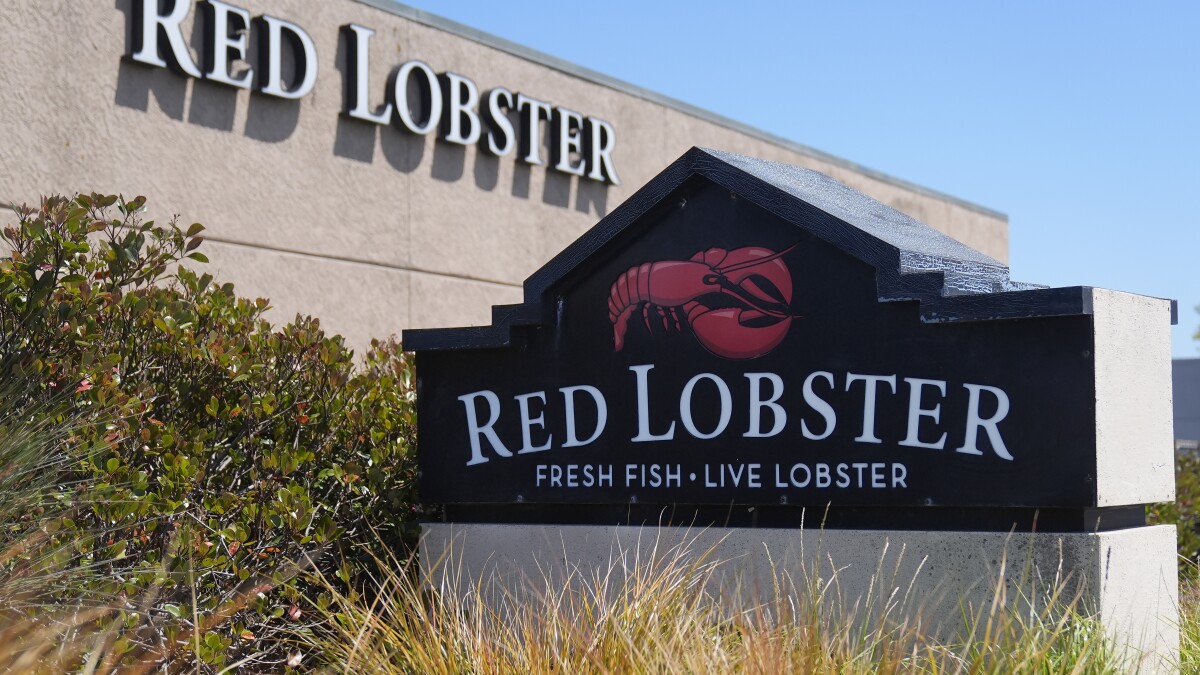
The phrase “Red Lobster TGI Fridays closing” is making headlines across the country. These two iconic chains, once staples of the American dining experience, are now facing an uncertain future. For decades, Red Lobster and TGI Fridays have served millions with their recognizable menus, family-friendly environments, and casual dining experiences. But with recent news of multiple closures, it’s clear that something deeper is at play.
This article takes a closer look at why these closures are happening, what it means for the restaurant industry, and what could be next for these brands and their loyal customers.
Brief Background: The Rise of Two Giants
Before we explore the reasons behind the closures, it’s worth understanding how these two chains became household names.
Originally aimed at young professionals, especially singles
Famous for its loaded appetizers, burgers, and Jack Daniel’s glazed items
Created a casual dining environment with a “party-like” vibe
Both brands thrived during a time when sit-down chain restaurants were booming. But now, the tides have shifted.
Reasons Behind the Closures
Multiple factors have contributed to Red Lobster and TGI Fridays closing many of their locations. The causes are not limited to poor management alone they reflect broader economic, social, and consumer behavior changes.
Millennials and Gen Z customers, in particular, are less drawn to traditional chain restaurants and more to food trucks, ethnic cuisines, or independent bistros.
Maintaining quality while keeping prices reasonable has become increasingly difficult.
3. Overexpansion
With hundreds of locations across the U.S., not every store remains profitable. Poor-performing locations in less-populated areas or areas with saturated markets are now being shut down to reduce overhead.
4. Increased Competition
They face stiff competition from:
Fast-casual giants like Chipotle and Panera
Upscale casual brands like The Cheesecake Factory or P.F. Chang’s
Third-party delivery platforms expanding customer options at home
List of Commonly Affected Locations
While closures vary by state and time, some regions have seen more activity. These typically include:
Region
Impact
Midwest (Ohio, Illinois)
Multiple TGI Fridays closures
Florida
Red Lobster corporate shift
Northeast (NY, NJ)
Location cuts in both chains
West Coast
High-rent closures observed
Impact on Employees and Communities
It’s not just customers who feel the loss—thousands of employees are affected:
Communities, especially smaller towns, lose a social hub when these chains close. For many, a local Red Lobster or TGI Fridays was more than just a place to eat—it was where birthdays, anniversaries, and casual meetups happened.
Is This the End or a New Beginning?
While closures are concerning, it doesn’t necessarily mean these brands are vanishing entirely.
Possible Future Directions
Rebranding Initiatives Efforts to modernize the menu, design, and service style are already in motion.
Franchise Model Shifts Some stores may reopen under new ownership or franchise agreements.
Focusing on Quality Over Quantity Reducing the number of stores to focus on the most profitable ones may help sustain the brand.
Digital Integration Offering better online ordering systems, loyalty apps, and digital menus may appeal to tech-savvy diners.
What Can Other Chains Learn From This?
Red Lobster and TGI Fridays are not the only brands struggling. Their challenges highlight important lessons for others:
Adapt quickly to changing food trends
Prioritize the customer experience
Avoid over-expansion without proper demand
Maintain financial sustainability through smart pricing and promotions
Are Customers to Blame?
It’s easy to point fingers at changing preferences, but customers aren’t at fault. People evolve, and the food industry must evolve with them. The closures are a reflection of the natural business cycle in a rapidly transforming world.
Table: Quick Comparison Between Then and Now
Factor
Then (Peak Era)
Now (Current Challenges)
Dining Experience
Family, in-person focused
On-the-go, digital-first
Menu Appeal
Standardized favorites
Demand for variety and freshness
Competition
Limited chains
Vast fast-casual landscape
Growth Strategy
Open more locations
Close non-performing stores
Branding Approach
Uniform design
Call for local customization
Final Thoughts
The phrase “Red Lobster TGI Fridays closing” signals more than just the end of certain locations—it reflects a deep shift in how people dine, spend, and interact with food. While the closures are unfortunate, they also provide these companies with an opportunity to reinvent themselves.
For customers, this may be a moment to reflect on what dining experiences they truly value. For industry leaders, it’s a wake-up call to innovate, adapt, and evolve with the times.
Disclaimer
This article is intended for informational purposes only and does not serve as financial, investment, or legal advice. All observations and statements reflect general trends and should not be considered as official reports from either Red Lobster or TGI Fridays. Readers are encouraged to consult official sources and conduct their own research before drawing conclusions.